
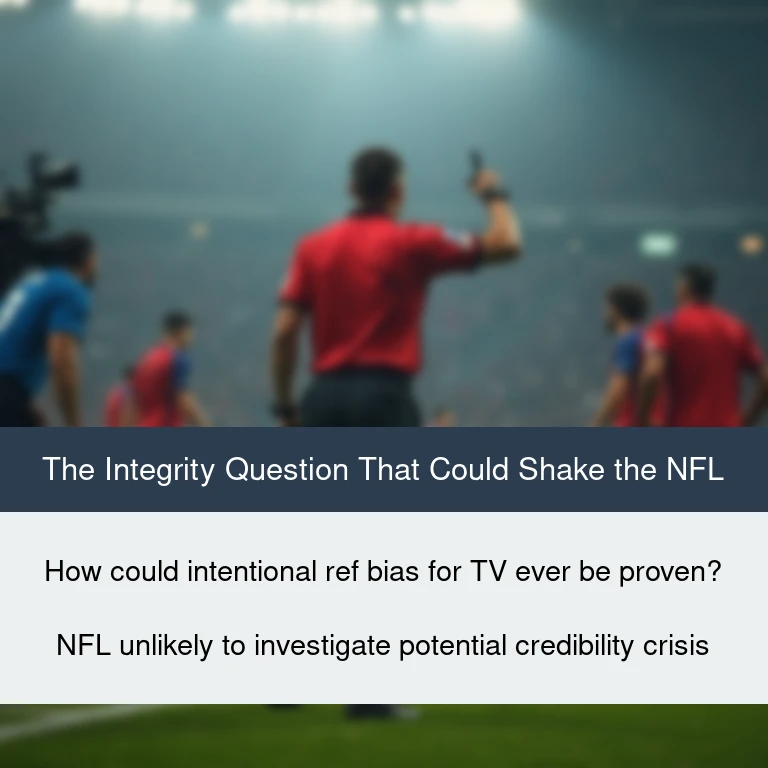
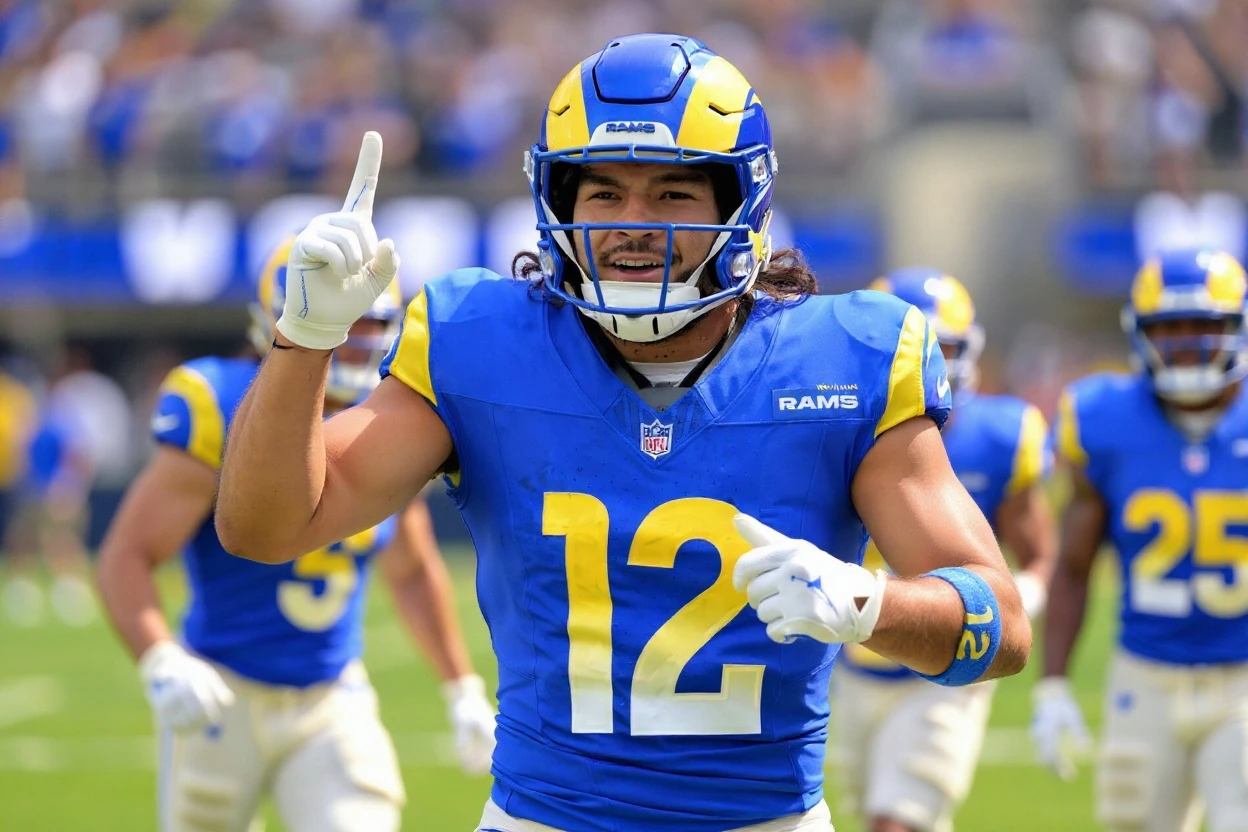
Puka Nacua ignited a firestorm during a Twitch livestream, accusing NFL referees of intentionally making bad calls to get on television. Speaking with streamers Adin Ross and N3ON, the Rams wide receiver didn’t mince words: “Refs are the worst.” His theory? Officials are driven by hunger for airtime and recognition, making controversial decisions specifically to land on broadcast replays. Coming from a player who accumulated 102 receptions for 1,367 yards and 7 touchdowns during the 2025 season—establishing himself as one of the league’s most productive receiving threats—the accusation carries weight. This isn’t casual locker room chatter. It’s a direct allegation that the integrity of the game itself may be compromised by ego and television exposure, striking at the heart of professional football’s credibility.
Want to know what people are really saying? Don’t miss the buzz from Reddit at the end!
Why Referees Might Actually Want the Spotlight
Nacua’s accusation exposes a troubling incentive structure embedded in modern sports broadcasting. Referees have paradoxically become celebrities—high-profile crew chiefs get mentioned by name during pivotal moments, their decisions dissected frame-by-frame on national broadcasts. His theory suggests some officials, whether consciously or through subtle unconscious bias, might make questionable calls to ensure they’re featured in the highlight reel ecosystem. The uptick in penalties across recent seasons tells part of the story: an 8.6% increase compared to the previous year raises questions about whether this trend correlates with heightened broadcast scrutiny and visibility of officiating decisions.
The NFL’s Heavy Hand: How Far Can Players Go?
Nacua’s comments arrive in a league that’s already demonstrated iron-fisted intolerance for official criticism. In 2023, the NFL fined head coach Andy Reid $100,000 and quarterback Patrick Mahomes $50,000 for publicly questioning referees’ decisions. These aren’t minor penalties—they’re unmistakable warnings. The league will aggressively punish any player, coach, or representative who questions officiating integrity, regardless of their stature. Nacua’s willingness to risk substantial fines suggests some players believe speaking truth matters more than financial consequences.
Best VOD Services
ESPN+

ESPN+
- Best for fans who want everyday sports depth without paying for a full live-TV bundle
- Stream thousands of live events including college sports, NHL, soccer, golf, tennis, and UFC content.
- Offers the strongest mix of college sports and ESPN-exclusive coverage at a lower price than cable-style services.
DAZN

DAZN
- Best known for boxing, MMA, fight nights, and select international soccer.
- Best for combat sports fans who want year-round access to boxing and fight programming.
- More specialized than the others, with the clearest focus on boxing and fight sports rather than all-around U.S. sports coverage.
Paramout+

Paramout+
- Includes NFL on CBS, UEFA Champions League, soccer, UFC, and other major live events.
- Best value pick for casual fans who want big-name sports at a low monthly price.
- Combines mainstream U.S. sports and international soccer at the lowest price among these options.
FUBO

FUBO
- Watch NFL, NBA, MLB, NHL, college sports, soccer, golf, NASCAR, and more across major live channels.
- Best cable replacement for sports fans who want to pick and choose live games, local channels, and full sports-network access.
- The only service here that feels like a complete live-TV sports hub, not just a standalone streaming app.
How Nacua’s Streaming Obsession Created the Perfect Storm
Understanding Nacua’s referee comments requires examining his contentious relationship with Rams head coach Sean McVay and his streaming lifestyle. Nacua’s livestreaming habits have become an ongoing friction point with the coaching staff. When he attempted to bring renowned streamers Adin Ross and N3ON directly into the Rams facility for content creation, McVay shut it down entirely. This incident reveals a player operating at the intersection of traditional professional sports and digital entertainment culture—pushing boundaries and testing what he can say outside official channels.
The Question That Could Change Everything
Nacua’s allegations open a potential Pandora’s box for professional football: If referees truly are making calls primarily for television exposure, how would anyone ever prove it? The NFL would almost certainly resist any comprehensive investigation that questions officiating integrity—admitting systemic bias would undermine the sport’s credibility. But perhaps the more pressing question isn’t whether Nacua is definitively correct. It’s why a prominent player felt compelled to voice this accusation publicly, knowing the financial penalties he faces. Whether the league addresses these concerns substantively will ultimately define whether accountability matters in professional football.

A Pattern of Escalating Controversy
Nacua’s referee allegations haven’t emerged in a vacuum—they represent the latest chapter in what many observers view as an increasingly erratic pattern of behavior throughout the season. The wide receiver has managed to accumulate significant friction across multiple fronts: with his coaching staff over streaming activities, with the league’s established norms around public criticism, and potentially with his own teammates through his blunt public commentary. This escalating controversy raises questions about whether Nacua is genuinely attempting to expose systemic problems in the sport, or whether he’s simply a talented player struggling to navigate the expectations and boundaries of professional football during an era of unprecedented digital accessibility.
The contrast between Nacua’s on-field production and his off-field judgment has become increasingly stark. Here is a player with elite statistics—1,367 receiving yards and seven touchdowns—positioned to be a franchise cornerstone. Yet his decision-making extends beyond tactical football plays. Streaming from team facilities, making incendiary claims about league integrity on public platforms, and seemingly indifferent to the consequences suggests either genuine conviction about his message or a troubling disconnect from professional accountability. Whether Nacua represents a generational shift in athlete activism or simply another cautionary tale about fame outpacing judgment remains an open question.
Best VOD Services
ESPN+
ESPN+
DAZN
DAZN
Paramout+
Paramout+
FUBO
FUBO