
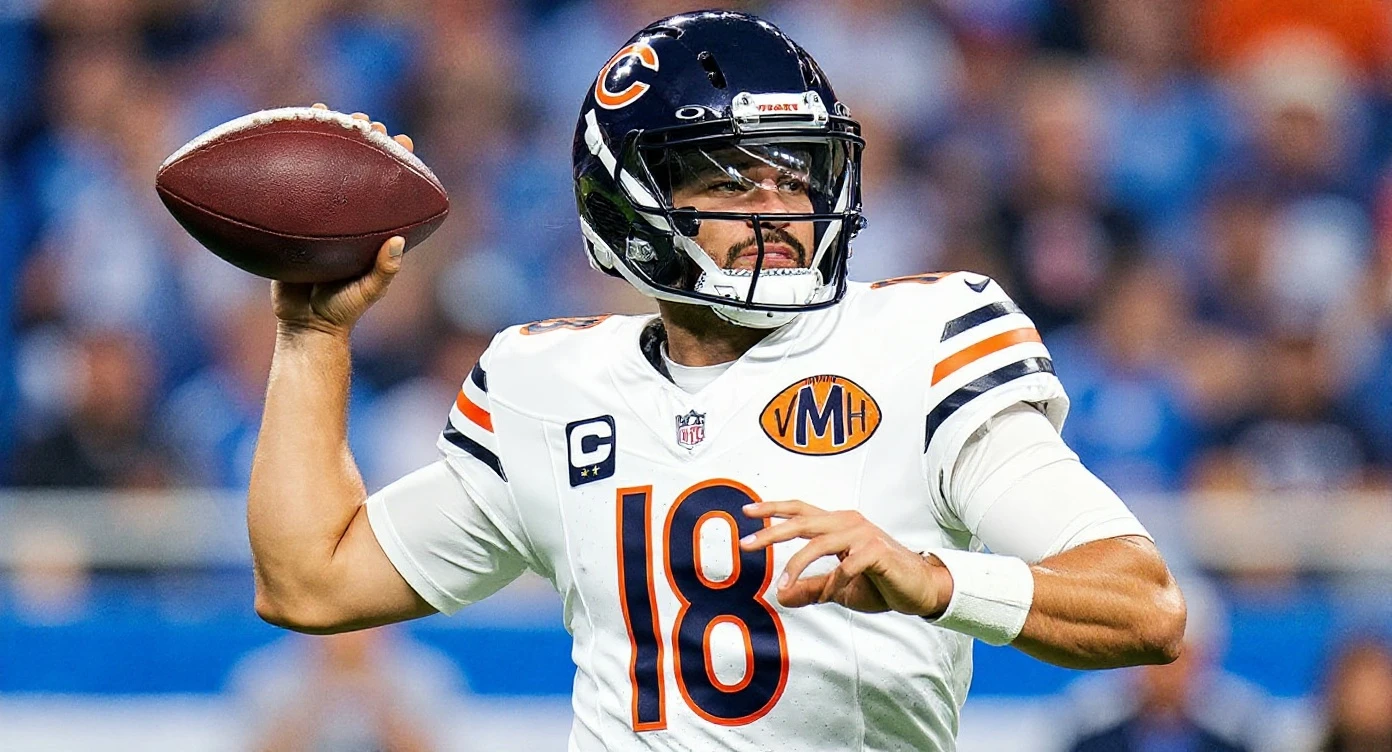
The Chicago Bears’ improbable playoff run crashed to a halt on January 18, 2026, when they fell to the Los Angeles Rams 20-17 in overtime at Soldier Field before 60,253 fans—a loss that snapped their first playoff appearance in 15 years. Just days earlier, the Bears had pulled off a stunning comeback against the Green Bay Packers in the Wild Card round, with Caleb Williams throwing for 361 yards and two touchdowns to set a Bears playoff record for passing yards. The momentum felt unstoppable as Chicago fans dared to dream of a deep playoff run. But the Rams changed everything. Despite Williams’ heroic fourth-quarter drive that tied regulation, a critical overtime interception sealed Chicago’s fate. The Rams’ walk-off field goal ended the Bears’ championship aspirations, leaving the entire city reeling. Williams’ interception stung harder given his exceptional 2025 regular season: 3,942 passing yards, 27 touchdowns, and just 7 interceptions. The collapse jarred even harder given his trajectory: he’d earned NFC Offensive Player of the Week honors in Week 3 after posting a career-high 142.6 passer rating with four touchdowns against Dallas. The 2024 regular season had been transformative, with the Bears finishing 11-6 and winning the NFC North.
Want to know what people are really saying? Don’t miss the buzz from Reddit at the end!
The Quarterback Duel That Wasn’t: Why Experience Trumped Youth
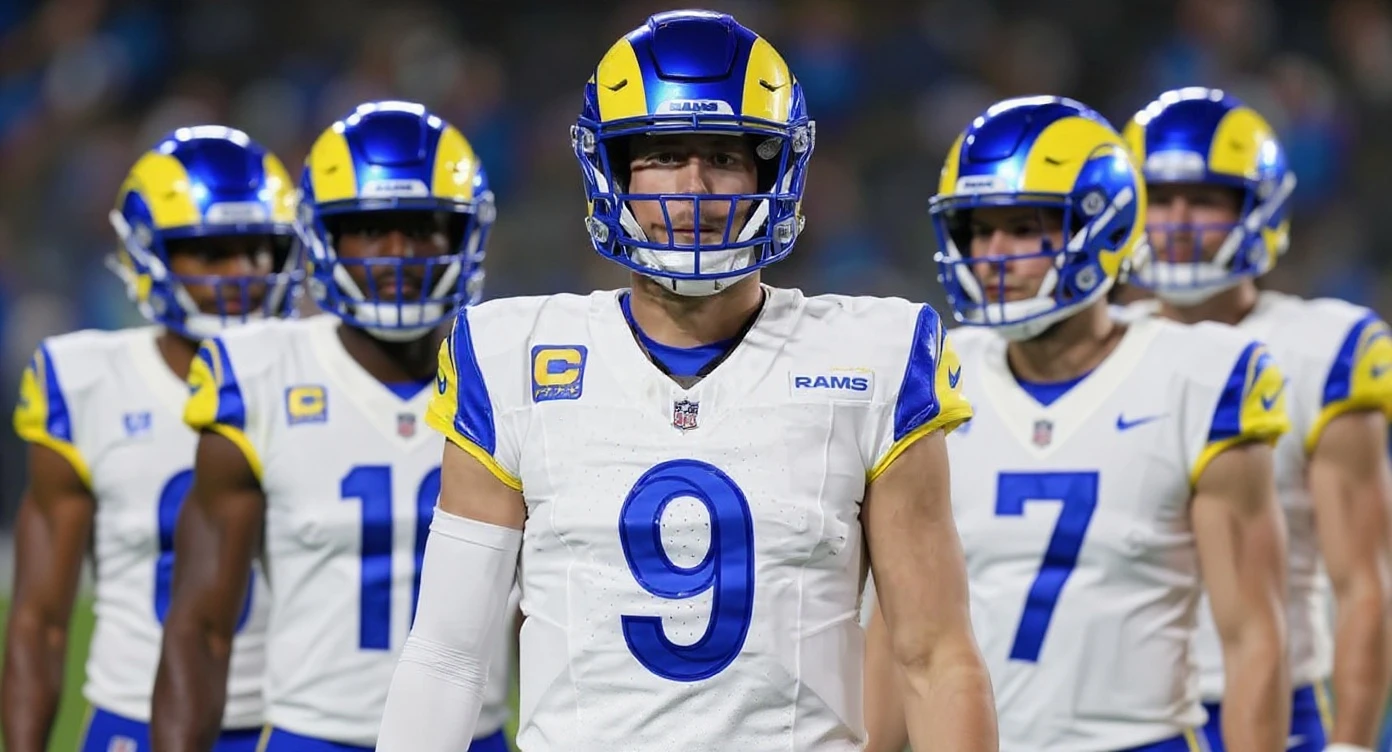
Matthew Stafford, 37, proved that veteran composure can trump youthful talent when the stakes demand it. The Rams quarterback orchestrated his entire postseason run with the poise expected of a three-decade veteran, piloting a Los Angeles team that finished 12-5 before charging through the playoffs under Sean McVay. Caleb Williams, the Bears’ electrifying young talent, showcased brilliant playmaking throughout the Wild Card win and an MVP-caliber regular season that earned him multiple weekly accolades. Yet in the divisional round, the script flipped. Williams’ critical interception in overtime—a crucial mistake under championship-moment pressure—exposed the gulf between a quarterback learning on football’s biggest stages and one who’s thrived there for decades. Stafford’s championship pedigree, forged across decades including Super Bowl success, handed the Rams an intangible but undeniable edge. The matchup crystallized a hard NFL truth: young talent, however promising, often crumbles against seasoned veterans in playoff scenarios where mental composure and institutional knowledge become the differentiators that matter most.
The Legacy Game No One Expected: Bears-Rams Revenge 40 Years in the Making
The Bears and Rams renewed a rivalry rooted in deep history extending far beyond this single matchup. Their last playoff meeting came in the legendary 1986 NFC Championship Game, where the Bears throttled the Rams 24-0 during their iconic Super Bowl XX championship season—a shutout that symbolized Chicago’s last and only Super Bowl triumph after the 1985 season. That dominance became Bears lore, a symbol of franchise supremacy in an era when Chicago stood atop the NFL. Four decades later, the Rams finally seized their redemption. The 2026 divisional round clash carried the weight of that historic blowout, even if neither team consciously acknowledged it. Significantly, this victory elevated Los Angeles’ all-time playoff record to 29-29, a milestone underscoring the Rams’ emerging status as a perennial contender. Despite their own late-season vulnerabilities, the Rams eliminated the Bears at home—poetic justice erasing 1986’s ghosts. With this triumph, Los Angeles advanced to face either the 49ers or Eagles in the NFC Championship, positioning themselves among the elite contenders for the Vince Lombardi Trophy.
What This Means for the Bears’ Future: Is Their Window Already Closing?
The Bears’ elimination raises urgent questions about their long-term trajectory at a critical organizational crossroads. They finally returned to the playoffs after 15 years of futility, only to stumble in the divisional round at home against a vulnerable opponent—a particularly stinging outcome given the franchise’s decades-long quest for consistent success. Since 2006, the Bears have cycled through 23 starting quarterbacks and six head coaches, a revolving door reflecting systemic dysfunction. Caleb Williams flashed undeniable brilliance in 2025: 3,942 passing yards, 27 touchdowns, and a stellar 7-to-1 touchdown-to-interception ratio. Yet that critical playoff interception raises legitimate questions about championship readiness. Meanwhile, the Rams’ supporting cast—highlighted by running back Kyren Williams’ Pro Bowl season (1,252 rushing yards, 10 touchdowns)—proved decisive in their postseason push. The question looms: was 2025-2026 Chicago’s launching point for a sustained dynasty, or merely a one-year anomaly? To compete for the Vince Lombardi Trophy and return to the Super Bowl—an achievement the franchise hasn’t reached since their legendary 1985 season—the Bears must build championship-caliber depth around their young quarterback and learn from this painful loss.
The Weight of One Moment: Fan Reactions to a Heartbreaking Exit
The finality of the Bears’ elimination hit Chicago hard—a city that had waited 15 years for this moment only to see it slip away in overtime. The sting of defeat felt uniquely sharp because the team had been tantalizingly close. Fans who had endured nearly a generation of playoff drought suddenly found themselves thrust back into familiar territory: questioning whether this promising young franchise could ever break through when it mattered most. The collective heartbreak transcended mere sports disappointment; it carried the weight of unfulfilled expectations and a franchise’s endless search for redemption.
The most agonizing aspect for observers wasn’t merely the loss itself—it was the cruel juxtaposition of brilliant moments against devastating outcomes. Caleb Williams delivered exceptional throws and orchestrated drives that showcased the quarterback talent Chicago had been seeking for decades. Yet those moments of brilliance exist forever tainted by their futility, a bittersweet legacy where individual excellence couldn’t overcome the collective failure when championship moments arrived. This tension between exceptional performance and ultimate disappointment captures the cruel nature of playoff football, where a single throw, a momentary lapse in decision-making, or a receiver’s unexpected movement can erase weeks of remarkable play.