
Joe Burrow’s surprising defense of NFL officials sent shockwaves through the sports world. Instead of joining the chorus of criticism following controversial playoff calls, the Cincinnati Bengals quarterback took a contrarian stance, arguing that the disputed plays were actually straightforward decisions the officials got right. This unexpected move raises a compelling question: what does an elite quarterback see that millions of viewers don’t? Burrow’s willingness to publicly support officiating crews demonstrates a respect for the game’s intricate ruleset that many modern athletes deliberately avoid. In an era where blaming referees has become almost ritualistic, his position stands as quiet rebellion against convenient scapegoating. Whether through years of film study or simply closer attention to the rulebook’s nuances, Burrow positioned himself as someone who understands the game at a deeper level than most commentators and casual observers. He articulated his frustration directly: “The amount of people that don’t understand what a catch is in the rule book flabbergasts me. And it’s not the officials. The two plays yesterday were not difficult calls, and they got them both right.” His emphatic stance arrived at a critical moment when officiating scrutiny had intensified league-wide, with controversies spanning catch determinations to subjective judgment calls. Burrow’s football IQ—frequently cited by coaches and opponents—underscores his credibility on the matter.
Want to know what people are really saying? Don’t miss the buzz from Reddit at the end!
The Catch Rule Nobody Really Understands
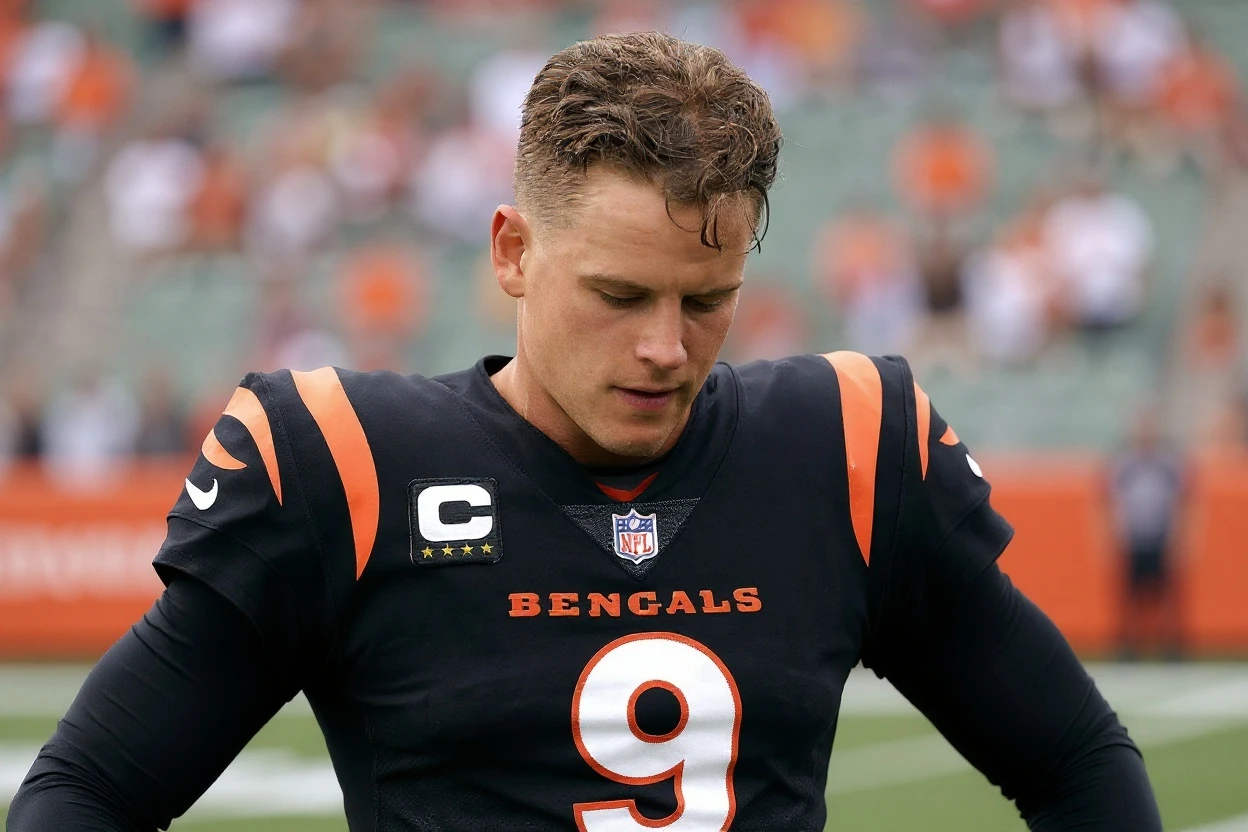
Burrow didn’t just defend the calls—he expressed genuine bewilderment at how many people misunderstand the fundamental catch rule. The plays in question involved two strikingly similar scenarios: receivers who caught the ball, fell to the ground, and had the football ripped away. In one case it was ruled an interception; in the other, the receiver was down by contact. The distinction between these outcomes reveals hidden complexity that casual fans consistently miss. According to the NFL rulebook, a player must maintain control of the ball after hitting the ground for it to be ruled a catch—a principle underpinning both contested calls. The NFL’s catch rule has been repeatedly refined over the past decade, each adjustment creating new gray areas and interpretive challenges. Yet the specific mechanism determining whether a receiver is deemed down before losing possession remains poorly understood. Burrow’s frustration stems not from the rulebook itself, but from collective ignorance surrounding what it actually stipulates. This educational gap mirrors broader officiating challenges throughout the season, where seemingly subjective calls spark debate about whether inconsistency stems from rulebook ambiguity or inconsistent enforcement. Burrow’s meticulous approach reflects the analytical rigor he brings to every aspect of his game.
The Two Plays That Sparked National Outrage
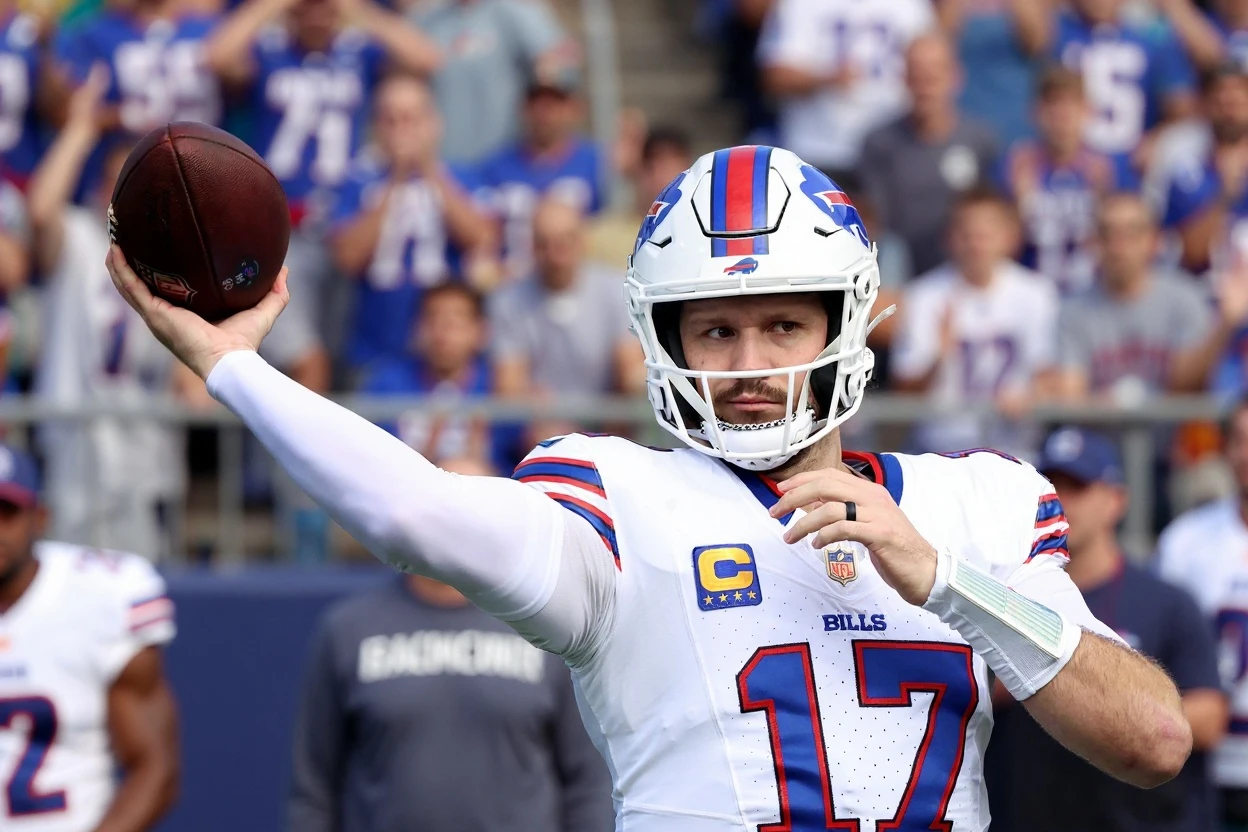
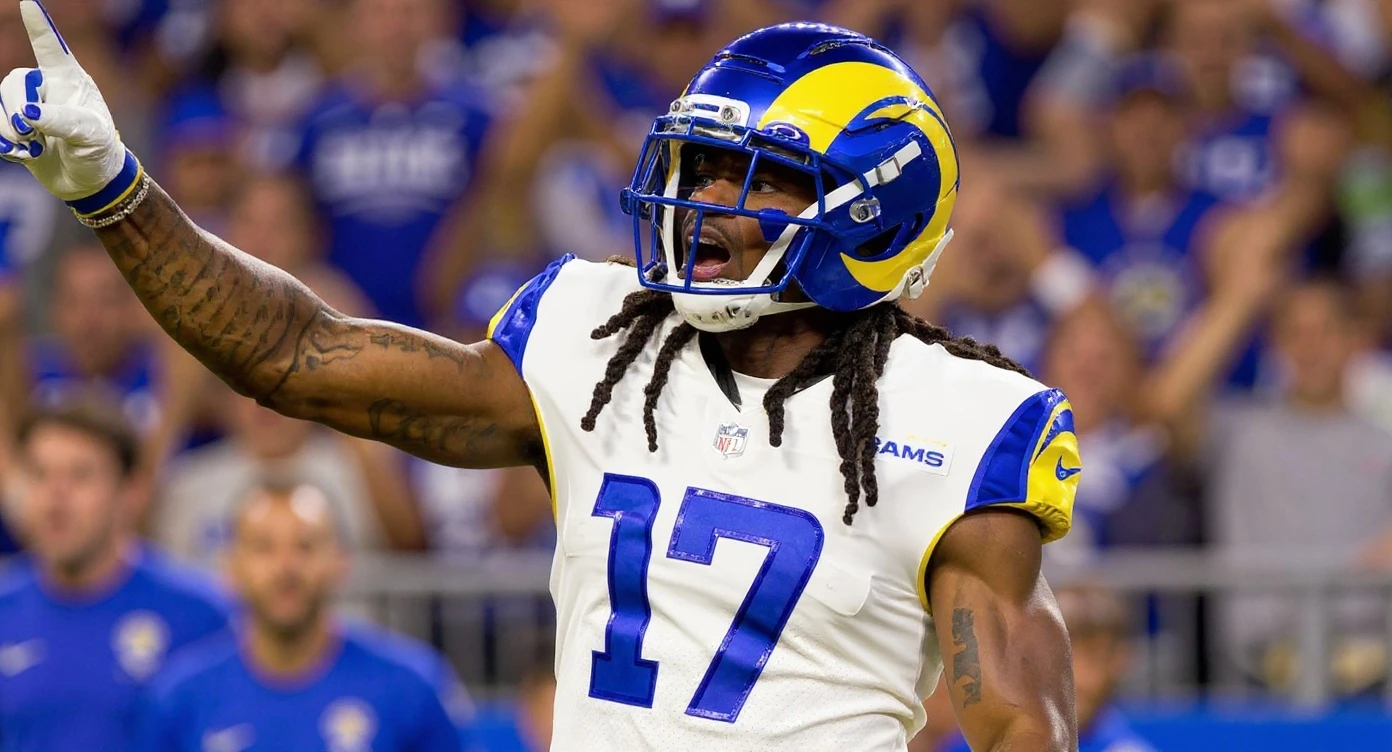
During the divisional round playoffs, two nearly identical situations unfolded across different games. In Buffalo’s 27-24 overtime loss to Denver on Saturday, Josh Allen’s deep pass to Brandin Cooks appeared to be a catch until the ball was stripped away by Broncos defender Ja’Quan McMillan mid-ground battle—officials called it an interception. Hours later Sunday night, in Chicago’s 35-32 victory over the Los Angeles Rams, Davante Adams caught a pass, went to the ground, and lost the ball—but officials ruled him down by contact first. Fans screamed conspiracy and incompetence. Burrow insisted these weren’t gray areas at all. Social media erupted with accusations of inconsistent officiating, highlight reels were dissected frame-by-frame, and analysts debated whether the league had a standards problem. The timing of these plays—occurring in different games within hours of each other—created the perfect storm for criticism. Both incidents appeared structurally similar on the surface, making the differing outcomes seem inexplicable to viewers who hadn’t internalized the rulebook’s specific language about possession sequencing and ground contact protocol.
Why The Officials Got Both Calls Right (And Why It Matters)
According to Burrow’s analysis, the rulebook is clear and the officials’ decisions align with it precisely. The distinction hinges on the precise sequencing of possession, ground contact, and whether control is maintained through the act of catching. When a receiver establishes possession and then makes ground contact, they become subject to the down-by-contact rule, which ends the play immediately. In Cooks’ case, the critical element was the timing of when control was secured relative to when contact with the ground occurred—sequencing that determined the interception ruling. Adams’ situation involved him achieving down-by-contact status before losing possession, resulting in the opposite outcome. Burrow’s frustration isn’t with fans questioning the calls—it’s with widespread misunderstanding of what the rulebook actually says. His perspective suggests the real controversy isn’t officiating incompetence but educational failure about how the game is fundamentally governed. His willingness to articulate this distinction publicly represents a rare moment of clarity from an elite player with the platform and credibility to reshape public understanding. Yet despite Burrow’s defense, his comments sparked further debate among fans and analysts, revealing just how deeply the interpretive divide runs.

The Internet Takes Notice: Burrow’s Rare Social Media Moment
One of the most striking aspects of Burrow’s officiating defense wasn’t just what he said, but the sheer unexpectedness of him saying it publicly at all. The quarterback had maintained a notably quiet social media presence, making his sudden intervention all the more impactful. For a player who typically lets his on-field performance do the talking, this rare moment of public commentary carried considerable weight. His willingness to break character and wade into the officiating debate signaled how strongly he felt about correcting the record. The timing and manner of his statement—direct, unapologetic, and brooking no debate—demonstrated a quarterback at ease enough with his own understanding of the game to challenge popular opinion. His decisive entry into the conversation suggested this wasn’t a casual aside but a genuine educational mission to illuminate what he viewed as a fundamental misunderstanding sweeping through the sports world.
The boldness of Burrow’s statement resonated precisely because it came from such a measured athlete. Here was a player who had largely abstained from social media theatrics, choosing instead to emerge from digital silence with a message that cut directly to the heart of a raging controversy. The contrast between his usual online presence—or lack thereof—and this explosive moment of clarity amplified the impact of his words. Some observers noted the irony of his comeback being framed as a quick educational lesson before presumably returning to hibernation, as if he had logged in specifically to set the record straight on one crucial matter, then signed off satisfied his work was done. This restraint and selectivity in his public statements only strengthened the credibility of his officiating analysis, positioning him not as a complainainer seeking attention but as an expert willing to step into the spotlight when he genuinely feels misunderstanding threatens the integrity of the game.