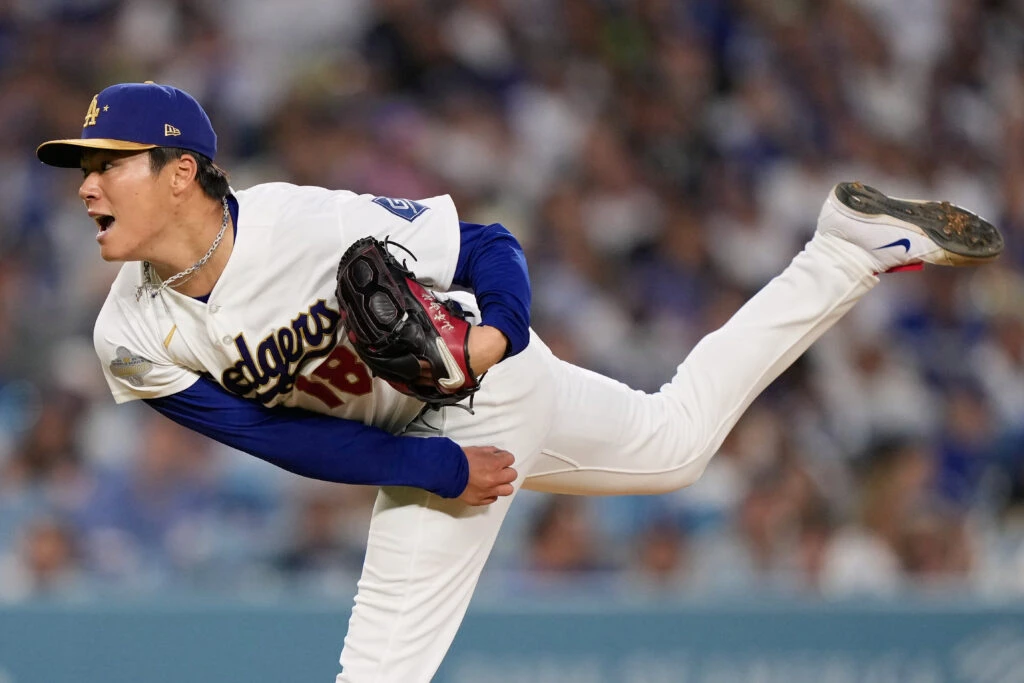
In the world of Major League Baseball, one team stands tall above the rest, casting a colossal shadow over the entire league.
No franchise in Major League Baseball currently operates at the level the Los Angeles Dodgers do — financially, organizationally, or on the field. Year after year, they set the standard that every other team measures itself against.
The Juggernaut Unleashed: Inside the Dodgers’ Unstoppable Dynasty
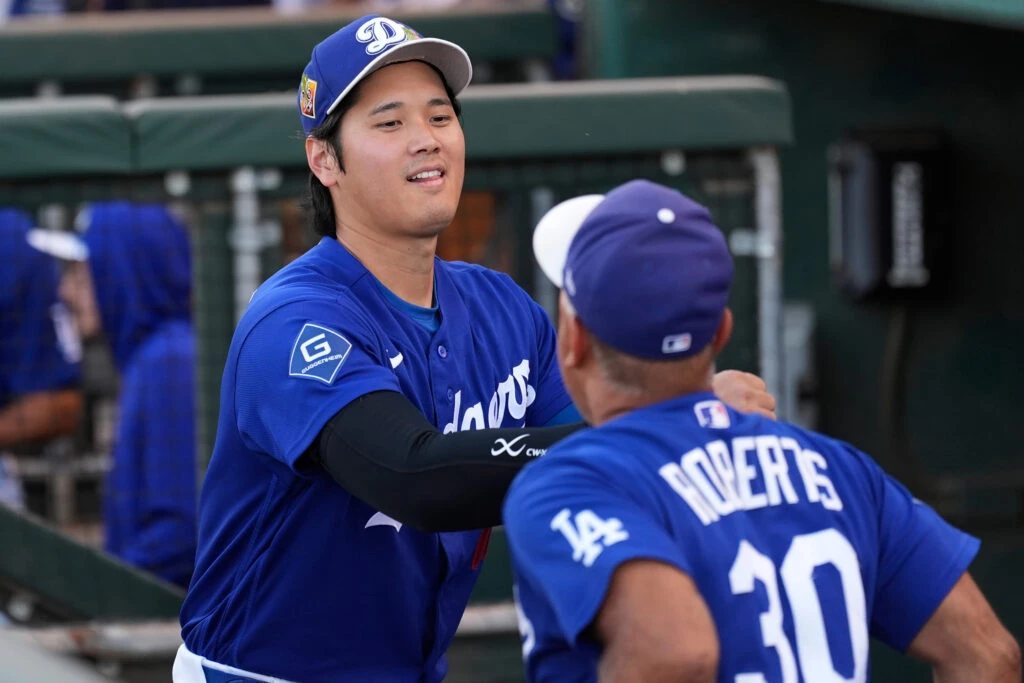
The Dodgers have built one of the most talent-dense rosters in modern MLB history, combining homegrown development with aggressive free-agent spending to create a lineup that punishes opponents from top to bottom. Their 2024 World Series title — their second championship in five years, as Al Jazeera reported — confirmed what the numbers had been saying for over a decade.
Since 2013, the Dodgers have won 11 NL West division titles, made multiple World Series appearances, and consistently posted win totals that rival franchises can only aspire to. The 2024 squad finished with 98 regular-season wins before dismantling the Yankees in five games in the Fall Classic.
Los Angeles operates with one of the highest payrolls in baseball — their 2024 luxury tax payroll surpassed $350 million, a figure that reflects both their financial commitment and the front office’s willingness to absorb penalties to stay competitive. That investment has produced consistent returns in the standings and at the box office.
The Dodgers’ lineup enters every series with a clear structural advantage. Their depth means opposing managers cannot simply pitch around one or two threats — there is no soft spot in the order, and their bench options would start for most other clubs.
Superstars Assemble: How LA Built Baseball’s Dream Team
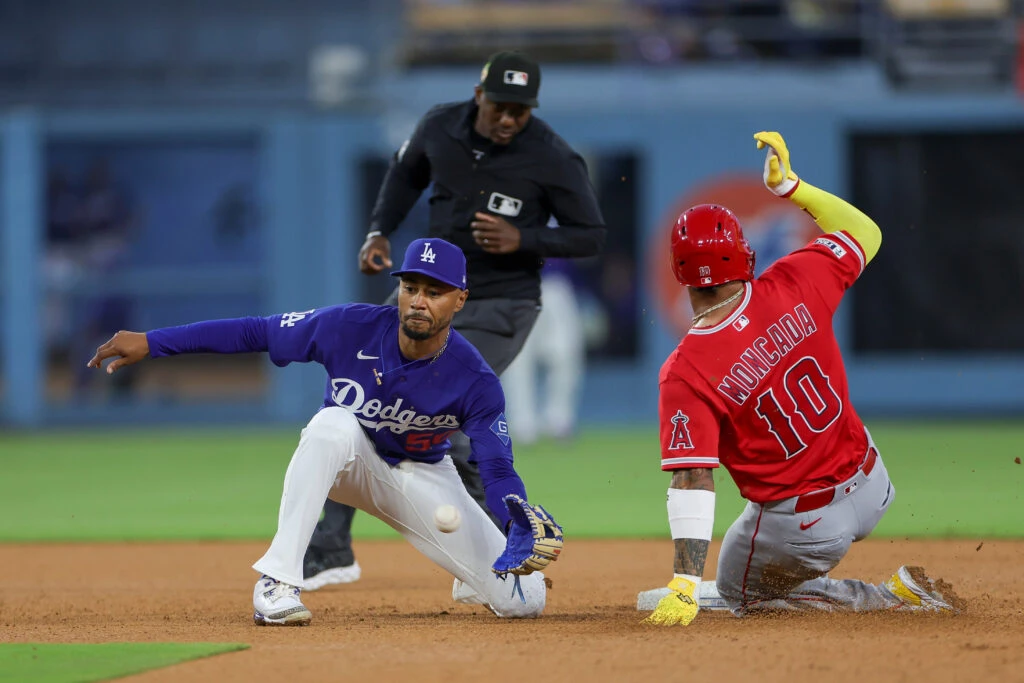
Their pitching staff has been equally formidable when healthy. The rotation’s ability to limit damage and generate strikeouts has been a consistent feature of Dodgers baseball, even as the front office has navigated injuries to key arms throughout recent seasons. The bullpen depth, built through trades and development, has kept the team competitive in close games.
Mookie Betts remains the heartbeat of this offense. The eight-time Gold Glove winner and 2018 AL MVP signed a 12-year, $365 million extension with Los Angeles in 2020, as NBC Los Angeles reported — one of the largest contracts in baseball history — and has delivered on every dollar of it, consistently posting WAR figures above 6.0 in healthy seasons.
Kyle Tucker arrived via trade from Houston ahead of the 2025 season, adding another proven middle-of-the-order bat to an already loaded lineup. Tucker is a career .270 hitter with consistent 20-plus home run power and a track record of performing in high-leverage situations, making him a natural fit for a team that expects production from every roster spot.
Tucker’s ability to work counts, drive the ball to all fields, and deliver extra-base hits in clutch spots gives the Dodgers another dimension in the middle of the order. His presence forces opposing pitching staffs to make difficult decisions about where to attack a lineup that now has no obvious weak link.
Embracing the Target: Roberts’ Mindset for Staying on Top
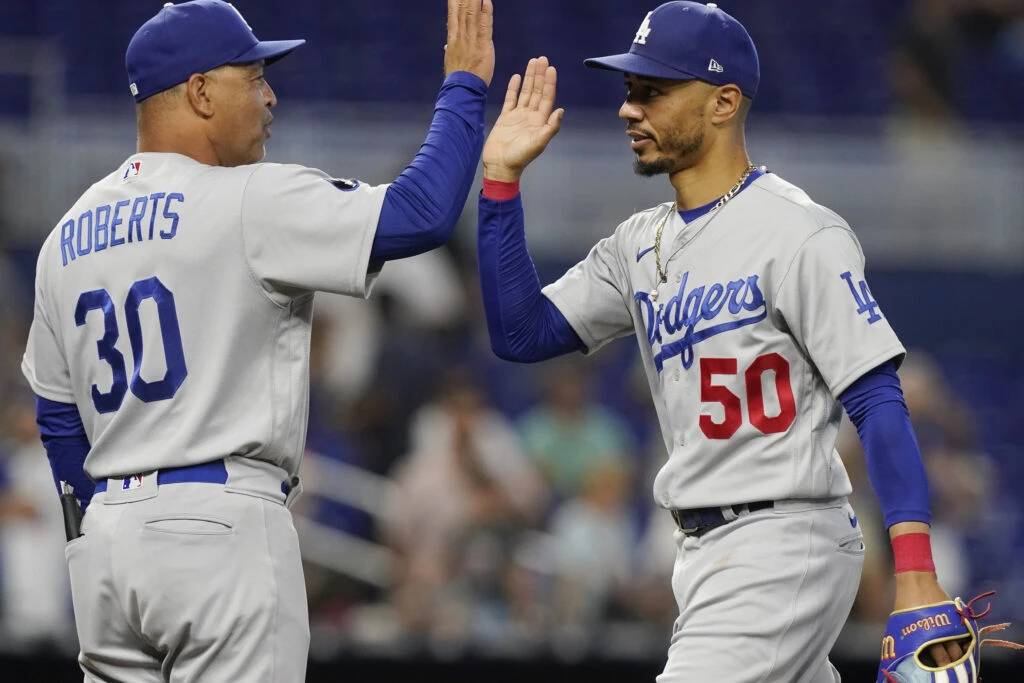
Shohei Ohtani’s arrival on a record-setting 10-year, $700 million contract — the largest in North American professional sports history, as NPR noted — elevated the Dodgers from a great team to a generational one. Even operating exclusively as a designated hitter while recovering from Tommy John surgery in 2024, Ohtani slashed .310/.390/.646 with 44 home runs and 130 RBI, winning the NL MVP award in his first Dodgers season.
Manager Dave Roberts has guided the Dodgers to a 98-or-more win season in multiple years, navigating a roster full of high-profile personalities and managing through significant injury challenges without the team ever falling out of contention. His ability to manage bullpen usage, lineup construction, and clubhouse dynamics in a market as demanding as Los Angeles speaks to a level of organizational stability that most franchises cannot replicate.
Labor Pains: Will the Dodgers’ Reign Spark an MLB Shutdown?
Roberts has won NL Manager of the Year honors and led the Dodgers to their 2020 World Series title, as the Associated Press reported — the franchise’s first in 32 years. His tenure has been defined by adaptability: adjusting game plans mid-series, developing young pitchers, and keeping a veteran-heavy roster focused through a 162-game grind.
The Dodgers’ financial dominance has reignited the broader conversation about competitive balance in MLB. With the current Collective Bargaining Agreement set to expire after the 2026 season, small-market owners have already signaled that payroll restrictions and revenue sharing will be central negotiating points. The gap between Los Angeles and the bottom third of the league in terms of payroll and resources has never been wider.