
NFL players are strongly against adding an 18th regular-season game. The players’ union says they already gave enough when the league moved to a 17-game schedule in 2021.
Players argue one more game isn’t a small change because football is so physical and most careers last only three to four years. An extra game increases injury risk and could shorten careers, and the 2025 season has already seen a high number of serious injuries.


Want to know what people are really saying? Don’t miss the buzz from Reddit at the end!
When Injuries Become Career Killers: The Financial Reality Players Won’t Ignore
Understanding the union’s resolve requires grasping a harsh reality that ownership might prefer to downplay: injuries don’t merely sideline players temporarily—they systematically dismantle their financial futures.
A single catastrophic injury can permanently alter a player’s earning trajectory, truncate an already-limited career window, and slash lifetime income projections significantly.
For union leadership, this calculation transforms the 18-game debate from a comfort issue into ‘The 18th game is not casual for us,’ White said Tuesday at a news conference in San Francisco. ‘It’s a very serious issue. It’s something that comes out of negotiations and nothing will move forward until players have the opportunity to account for all of those factors —take that into consideration and then, through negotiations, agree or not to the 18th game. But, as it stands right now, players have been very clear that they have no appetite for it.’ “David White“.

Players understand that additional physical exposure means multiplicative injury risk. The league’s expansion to 17 games—followed by ambitions for an 18-game schedule—represents a dramatic departure from historical precedent: the NFL previously maintained a 14-game schedule until 1961, then evolved to 16 games in 1978, demonstrating how incremental changes have gradually extended physical demands. This escalating trajectory amplifies player concerns that another game pushes them beyond sustainable limits.
The underlying motivation driving league expansion—revenue targets exceeding $25 billion—reveals fundamental misalignment between ownership priorities and player welfare.
The union’s staunch opposition reflects this cold calculation: any structural change increasing injury risk directly threatens players’ ability to secure their financial futures during their narrow earning window while enriching ownership at the direct expense of athlete health and career longevity.

Thursday Night Football’s Dark Secret: The 3-Day Recovery Trap
Perhaps no voice carries more credibility on this issue than Jon Gruden’s.
The former head coach is now sounding an urgent alarm about Thursday night football, targeting what he identifies as a dangerous scheduling practice: the three-day turnaround between Sunday games and Thursday night contests creates impossible conditions for proper athlete preparation and recovery. This isn’t theoretical concern—it’s grounded in the physical realities of professional football.
Sunday games conclude, and players return to facilities already bearing accumulated fatigue and micro-injuries from the previous week. Add the Monday film review and adjustment sessions, compress training and recovery into a single day, and athletes are essentially asked to perform at championship-level intensity with inadequate preparation.
The systemic injury management challenges extend beyond scheduling. Reports reveal that players routinely compete with undisclosed or minimally-disclosed injuries under the NFL’s permissive injury reporting framework.
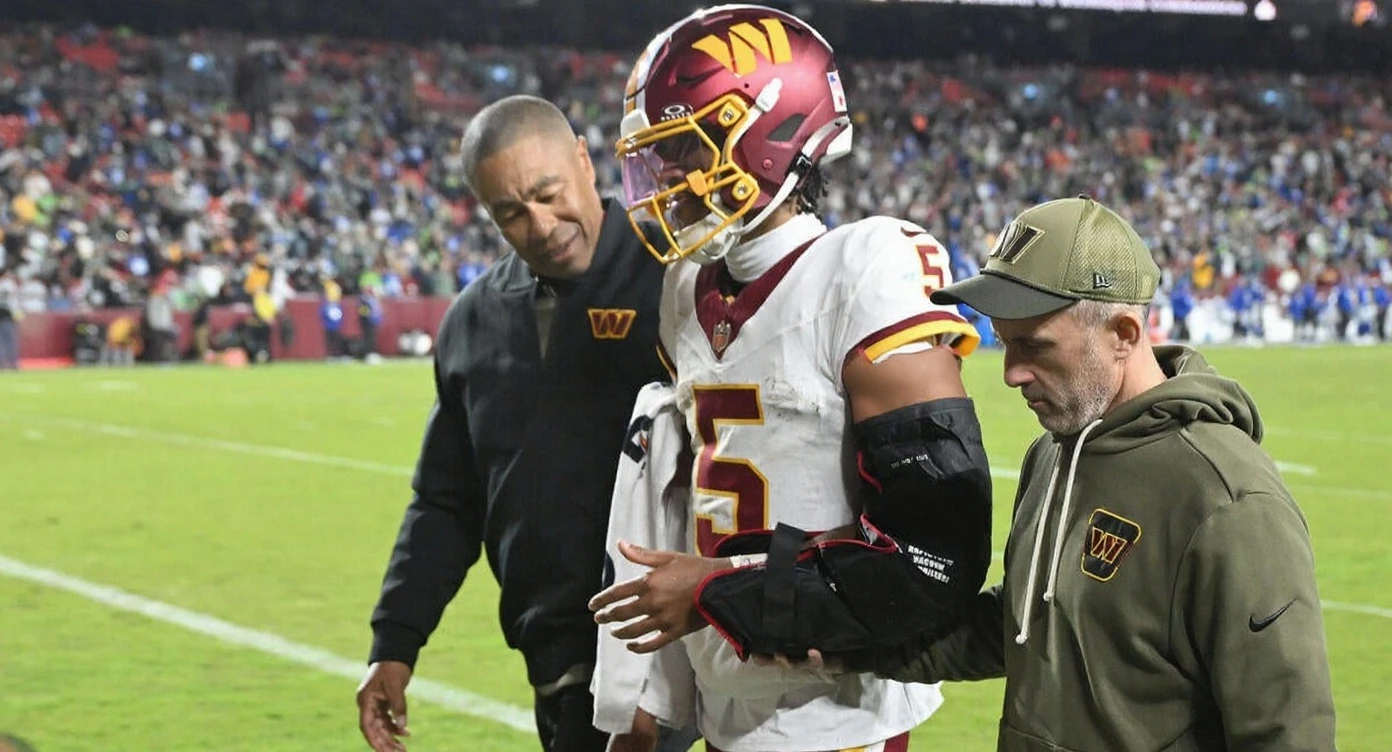
Star quarterback Aaron Rodgers, for instance, played through at least three fractures in his left wrist sustained against Cincinnati, highlighting how the league’s bare-bones injury disclosure requirements enable athletes to mask significant trauma.
Gruden’s plea to eliminate Thursday night football reflects growing recognition that television schedules have become misaligned with human physiology.
The NFL’s lucrative Thursday night broadcasting contracts prioritize ratings and advertising revenue over player safety and performance integrity.
The Safety Battlefield: Where Players and the League Are Actually Making Progress
Amidst this confrontational landscape, an unexpected glimmer of light suggests possibility.
The NFLPA has achieved what union leadership describes as meaningful progress on concrete field safety initiatives, demonstrating that when players and league management align around specific, measurable improvements, real change can materialize.
One particularly significant victory involves advocacy for natural grass in all stadiums—a seemingly technical detail that carries enormous implications for player injury prevention.
Natural grass surfaces distribute impact forces differently than artificial turf, reducing certain categories of non-contact injuries and lower-body trauma.
Yet this success also highlights a frustrating paradox: while the union can advance incremental safety improvements, larger structural changes—like the 18-game season or Thursday night scheduling reform—remain contested terrain where fundamental interests diverge between players seeking to preserve career longevity and ownership structures prioritizing revenue expansion.

The Negotiation Paradox: What It Will Actually Take
The players’ union’s firm stance on the 18-game schedule isn’t necessarily a permanent impasse—it’s a negotiating position. Behind closed doors, the real conversation isn’t about whether additional games are acceptable, but rather what they’re worth.
The gap between the union’s current “no” and eventual “yes” isn’t philosophical; it’s transactional. Industry observers recognize a clear pattern: the union’s resistance serves as leverage to extract concrete concessions in exchange for structural changes the league desperately wants.
To secure player acceptance of an 18-game schedule, the NFL would need to sweeten the deal significantly: eliminating additional preseason games to offset the expanded regular season, introducing or expanding bye weeks to provide recovery periods, substantially raising the salary cap to reflect additional revenue, and bolstering healthcare and retirement contribution packages.
These aren’t vague demands—they’re specific, measurable improvements that directly address player concerns while redistributing a portion of the league’s expanded revenue back to the workforce.
What makes this negotiation dynamic particularly telling is how it exposes the fundamental nature of labor disputes in professional sports.
The union’s stance isn’t rooted in principle or player welfare alone—though those factors matter—but rather in understanding that ownership has specific objectives and will pay for them.
When ownership wanted to expand from 16 to 17 games, they eventually succeeded because the union secured enough concessions to justify the trade-off. The pattern suggests 18 games will follow the same arc: initial rejection creates leverage, discussions yield specific improvements, and a deal materializes.
This mercenary clarity reveals something important about the labor relationship in professional football: players recognize their value and know the league’s expansion ambitions generate enormous revenue.
Their refusal to participate without adequate compensation isn’t obstinacy—it’s rational economic behavior. The union is essentially telling ownership: if you want more games and the expanded revenue they generate, players expect a meaningful share of those gains. The question isn’t if an 18-game season happens, but what ownership will sacrifice to make it happen.