
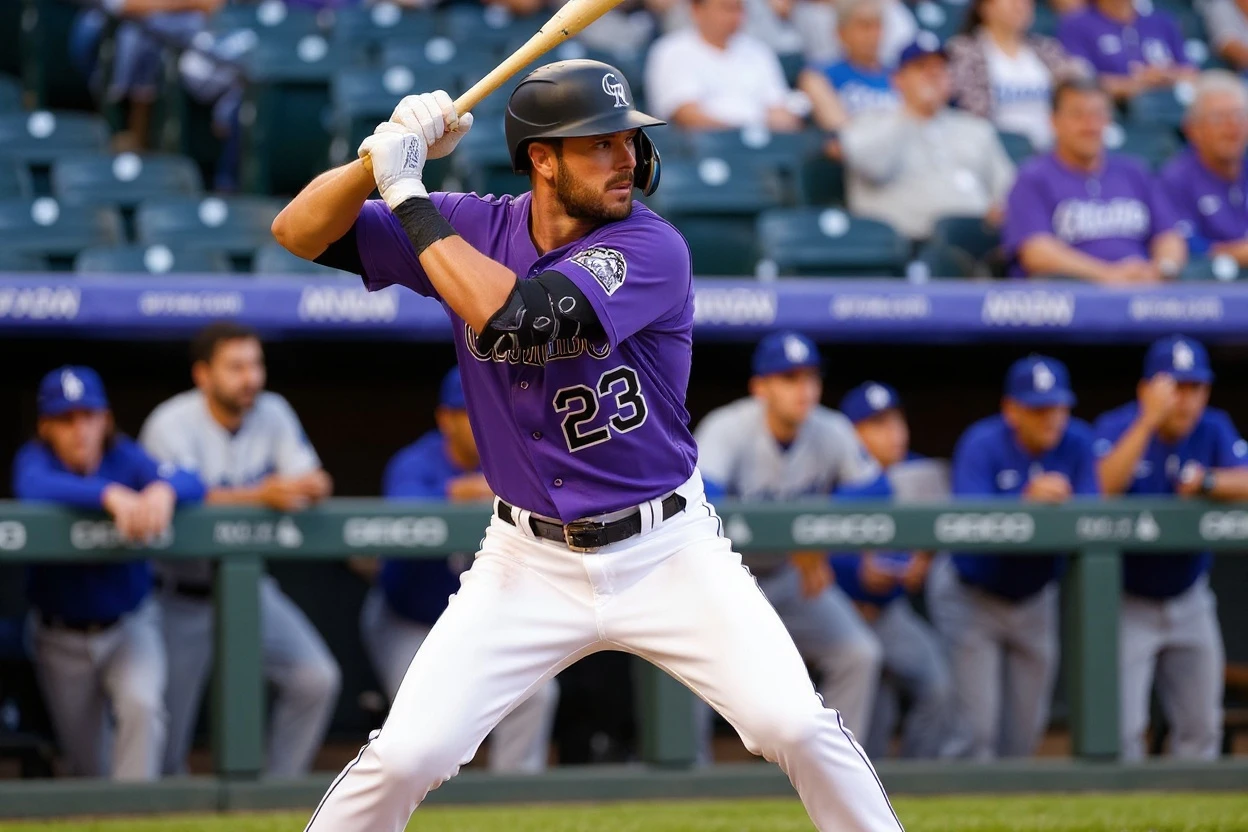
When the Colorado Rockies signed Kris Bryant to a seven-year, $182 million contract on March 18, 2022, the franchise believed they’d finally landed their cornerstone—a marquee talent capable of anchoring a competitive roster and ending their decade-long playoff drought.
Bryant represented exactly the caliber of established star the Rockies desperately needed, with a remarkable résumé: 2016 National League MVP, World Series champion with the Cubs, 2015 Rookie of the Year, and four All-Star selections. The contract included a full no-trade clause and positioned him as the club’s starting left fielder, signaling organizational conviction. Instead, the deal has become one of baseball’s most cautionary tales about the unpredictability of long-term commitments.
A persistent back injury progressively worsened, forcing the Rockies to place Bryant on the 60-day injured list in May 2025, effectively ending his Denver tenure before it began. Struggles plagued him from the start—just 42 games in 2022 across two separate IL stints. By 2025, his deterioration was stark: .154 batting average, 6 hits in 39 at-bats, zero home runs, -0.5 WAR. A career .273 average with 184 home runs made the collapse devastating.


Want to know what people are really saying? Don’t miss the buzz from Reddit at the end!
Out With the Old: How New Management Is Quietly Dismantling the Rockies’ Failed Blueprint
Josh Byrnes and Paul DePodesta’s arrival signals far more than a management shuffle—it’s a complete philosophical overhaul. Rather than doubling down on aging, high-priced stars like Bryant, the new regime is systematically rebuilding from the ground up. They’ve quietly assembled veteran depth pieces: pitcher Michael Lorenzen (4.08 career ERA, 10 years of MLB service), Japanese import Tomoyuki Sugano, veteran starter Jose Quintana, utility player Wili Castro, and outfielder Jake McCarthy.
These signings aren’t designed as long-term solutions. Instead, they serve a tactical purpose: creating internal competition that forces prospects to earn advancement through the minor leagues rather than coasting on organizational desperation. This strategic patience reflects the urgency of change. The franchise recently dismissed manager Bud Black after a devastating 6-33 start to the 2025 season following nine years at the helm, signaling management’s commitment to fundamentally transforming both culture and performance.
The timing underscores the crisis severity: the Rockies possess the worst all-time winning percentage among active MLB franchises at .456 (2,364-2,818 record since 1993). Consecutive 100-loss campaigns in 2023 and 2024 preceded 2025’s even more devastating 43-119 record and fifth-place NL West finish.
The Dodgers Playbook: Why Colorado Is Copying LA’s Winning Formula
Josh Byrnes spent years learning the organizational blueprint that’s made the Los Angeles Dodgers baseball’s most consistent winner. Now he’s importing that proven formula directly to Colorado. The Dodgers’ model emphasizes data-driven player development, strategic positional versatility, and relentless commitment to continuous improvement at every organizational level.
The Rockies are implementing these principles with remarkable precision. Rather than hoping raw talent alone will overcome Colorado’s unique environmental challenges, they’re investing heavily in sophisticated analysis, technological infrastructure, and comprehensive player development programs. This starkly rejects the previous organizational approach, which relied on expensive veteran acquisitions and hoped that proven players like Bryant—a four-time All-Star and Rookie of the Year—would somehow thrive despite personal struggles.
While the Dodgers possess unprecedented financial advantages ($476 million payroll in 2025), the new Rockies leadership recognizes that sustainable excellence for smaller-market franchises depends on maximizing development efficiency rather than outspending competitors. Sustained excellence requires systematic thinking, not just deep pockets—especially when facing the pressures that have defined Denver baseball for decades.
The Coors Field Curse Finally Meets Its Match
For decades, Coors Field has been a pitcher’s nightmare—a high-altitude ballpark where thin air turns routine fly balls into home runs and fastballs lose their bite. Previous Rockies management treated this as unsolvable, drafting one-dimensional power arms hoping sheer velocity would overcome the venue’s inherent challenges.
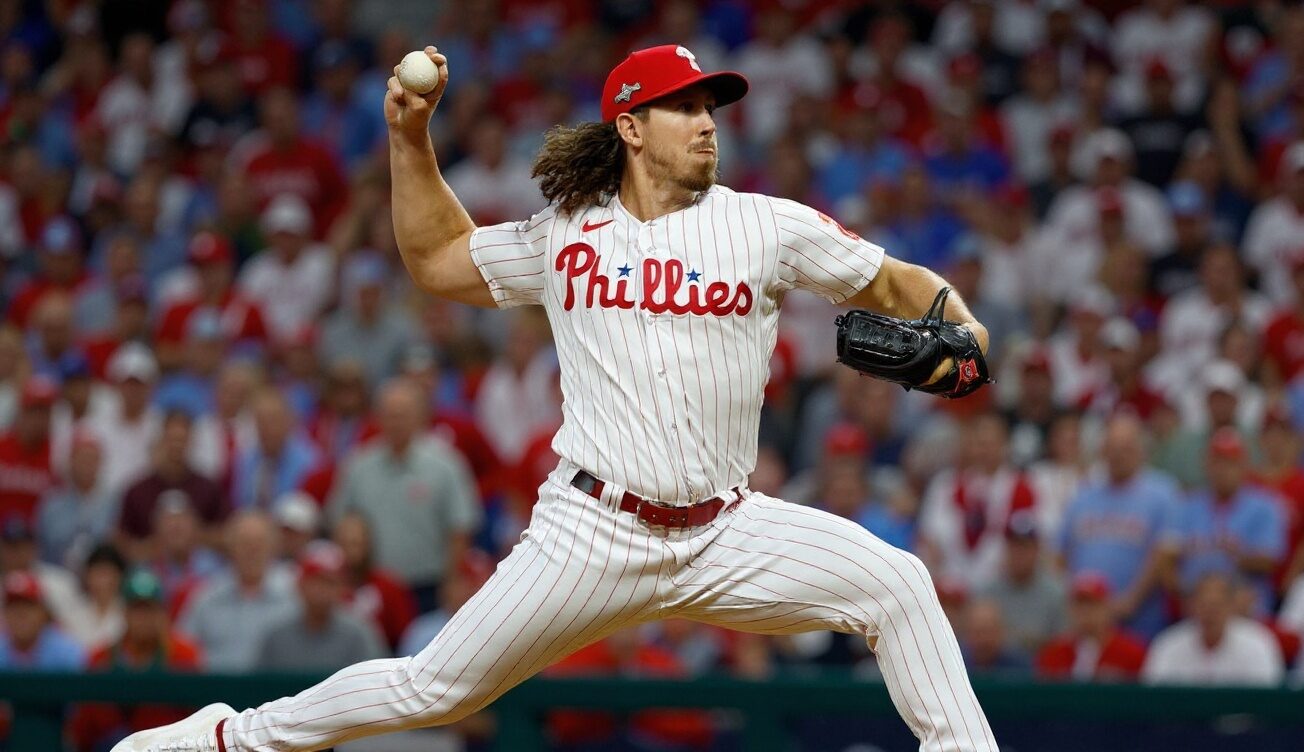
The new regime is attacking the problem with far greater sophistication, constructing a pitching staff specifically designed for thin-air success. They’re emphasizing diverse arsenal development rather than relying on fastball-dominated approaches. Michael Lorenzen exemplifies this philosophy: 4.08 career ERA across 996 innings, demonstrating sustained performance across diverse pitches and opposing batters. Tomoyuki Sugano and Jose Quintana similarly bring multi-faceted approaches to the mound.
For hitters, the focus has shifted toward reducing strikeout and chase rates, forcing players to develop superior contact skills and plate discipline. Simultaneously, the organization is studying how successful Denver sports franchises—the Avalanche, Nuggets, and Broncos—have overcome similar environmental constraints through smart adaptation and player development. Competitive excellence in Denver requires specialized tactical approaches unavailable to franchises without these unique geographic challenges.
The Denver Model: How Colorado Sports Teams Finally Figured It Out
The Avalanche’s Stanley Cup, the Nuggets’ championship run, and the Broncos’ Super Bowl appearance didn’t happen by accident. These organizations succeeded through disciplined drafting, systematic player development, and long-term organizational thinking.
Now the Rockies are determined to join this winning culture, representing Denver’s final major professional sports franchise still chasing a championship in this era. What’s remarkable is how aligned Denver’s sports ownership has become around fundamental principles: invest in development infrastructure, trust the process, and resist the temptation of expensive short-term fixes.
While immediate playoff success remains uncertain—the franchise’s .456 all-time winning percentage and recent seasons of historic futility represent mountainous obstacles—the philosophical alignment emerging across Denver sports franchises signals genuine commitment to sustainable excellence.
The Rockies’ managerial transition and restructured roster reflect this commitment, demonstrating that even amid historic on-field futility and being baseball’s least successful active franchise, the organization prioritizes long-term systematic development. The Rockies are betting that patience, systematic development, and smart adaptation to their unique circumstances will finally end their troubling playoff drought and transform the franchise into a competitive force.

A Career Cut Short: The Human Cost of Unexpected Decline
Bryant’s trajectory from celebrated prospect to premature decline represents one of baseball’s most poignant cautionary tales. His path to stardom was virtually unprecedented: college player of the year, minor league player of the year, MLB Rookie of the Year, and then MVP in consecutive years. Few athletes have ever dominated multiple levels of professional baseball with such consistency and dominance.
For fans who watched his ascent, the prospect of witnessing him age gracefully and compile a Hall of Fame-caliber résumé seemed not just likely, but inevitable. What makes Bryant’s situation particularly painful is that it arrives not from diminished performance due to age or natural decline, but from a body simply giving out.
Degenerative disc disease doesn’t announce itself gradually—it can render an athlete’s career unrecognizable almost overnight. At an age when he should have been in his athletic prime, Bryant found himself unable to perform the basic functions that defined his professional identity.