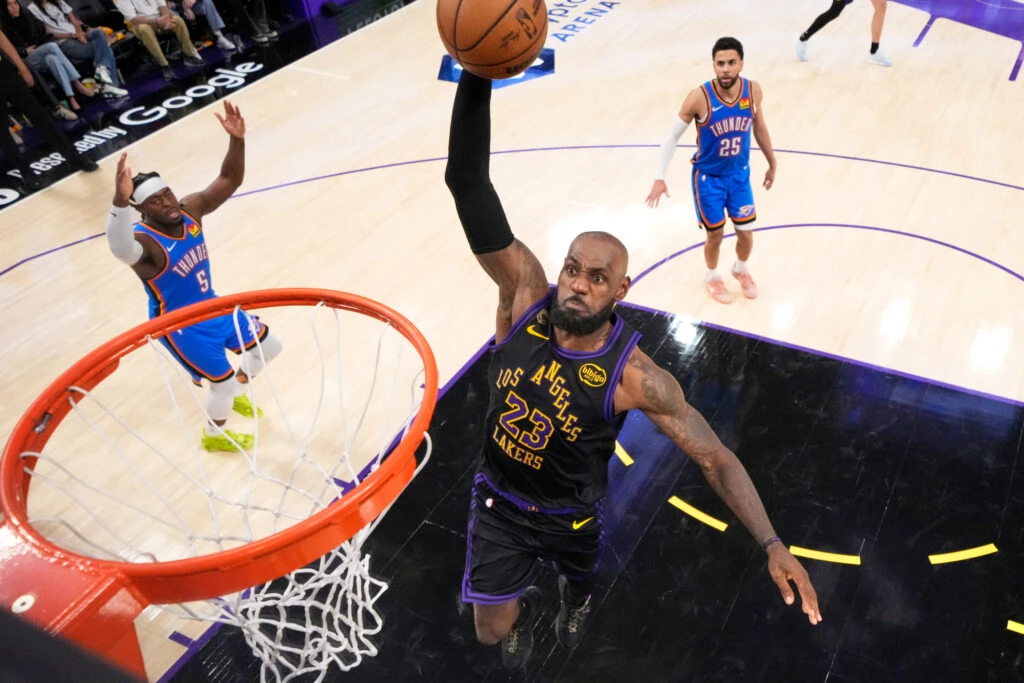
LeBron James delivered one of the most stunning decisions in recent NBA history when he chose the Philadelphia 76ers over a homecoming to the Cleveland Cavaliers.
After meticulously weighing three finalists—the Cavs, Miami Heat, and 76ers—he ultimately rejected the narrative that would’ve felt most comfortable. What calculations convinced him to abandon the franchise that drafted him in 2003, as Britannica notes?
The decision wasn’t impulsive; it was deliberate, strategic, and rooted in competitive assessment rather than nostalgia.
On July 24, LeBron announced his momentous choice via social media, deliberately calling it “my last decision” in a clear reference to his transformative 2010 “The Decision” moment when he joined the Miami Heat, as Britannica recounts—a callback that underscored the historical weight of this selection.
At 41 years old, with 23 years of elite NBA experience and an unparalleled resume of 22 All-Star selections, 4 MVP awards, as Olympics.com notes, and 4 Finals MVP accolades, LeBron brought legendary credibility to this choice.
His 20.9 PPG average across 60 games with a 51.5% field goal percentage demonstrated his refined efficiency in his later career stages. LeBron’s choice signals something deeper about modern basketball: returning home doesn’t automatically mean returning to excellence.
The 76ers’ Winning Formula: How Jaylen Brown and Tyrese Maxey Tipped the Scales
The Philadelphia 76ers made calculated, aggressive moves that captured LeBron’s basketball intelligence. Their acquisition of Jaylen Brown from the Boston Celtics represented a commitment to building a core capable of winning at the elite level.
Brown’s 2,218 points with 47.7% field goal percentage and 79.5% free throw accuracy brought scoring prowess and defensive versatility.
The 76ers’ projected starting lineup—featuring Tyrese Maxey, Jaylen Brown, VJ Edgecombe, Dean Wade, and Joel Embiid—emerged as one of the best in the NBA. Tyrese Maxey, the 25-year-old All-Star point guard, had already established rapport with LeBron.
His 28.3 PPG with 89.2% free throw percentage and 6.6 assists per game demonstrated elite two-way guard performance. The chemistry between LeBron and Maxey reflected a point guard capable of running an offense for elite teammates.
Philadelphia’s organizational track record boasts 3,170 wins, 55 playoff appearances, and 3 championships, demonstrating consistent organizational stability and a .519 winning percentage.
The Cavaliers’ Fatal Flaw: What Darius Garland’s Absence Revealed
The Cleveland Cavaliers’ missing piece—Darius Garland’s absence—illuminated a critical gap LeBron couldn’t overlook.
Garland’s 327 assists with 86.1% free throw percentage and 39.6% three-point accuracy represented exactly what the Cavaliers lacked: efficient, playmaking-oriented performance.
His unavailability symbolized the fragility of Cleveland’s competitive foundation. While the Cavs possessed talented players, fundamental deficiencies existed in their playmaking depth and offensive infrastructure.
LeBron’s evaluation revealed an uncomfortable truth: they’d built a team that looked competitive on paper but lacked the sophisticated depth necessary to compete against elite Eastern Conference squads.
Having won championships with Miami and experienced eight seasons with the Lakers, LeBron recognized these architectural flaws immediately.
The Cavs operated like a team confident its core was championship-ready, yet reality suggested otherwise.
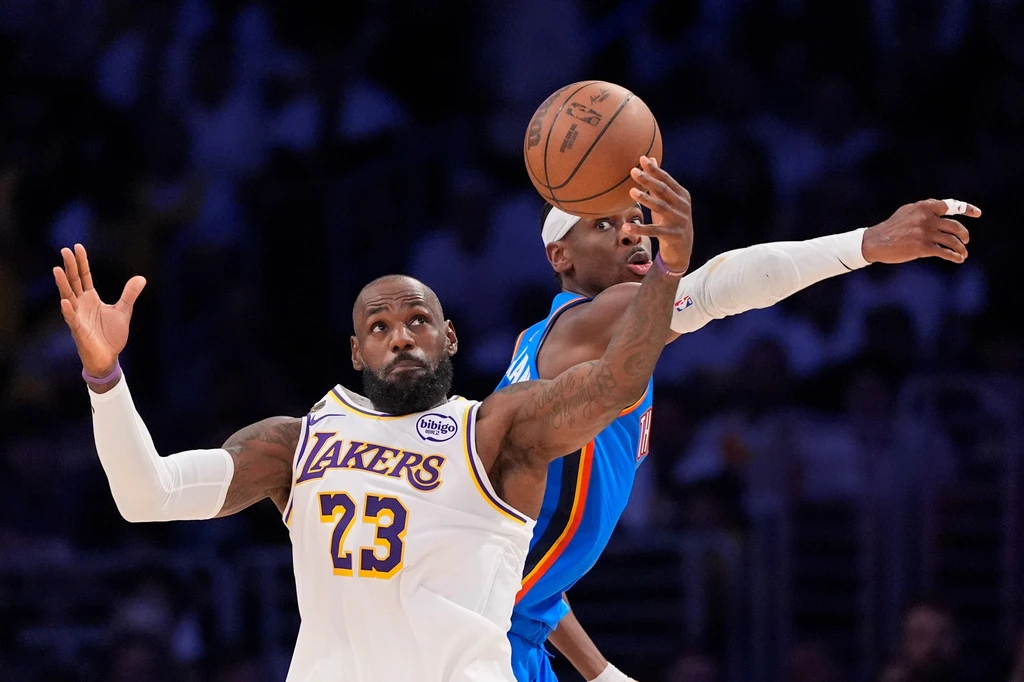
A Wake-Up Call for Cleveland: The Cavs’ Reckoning is Here
LeBron James’ rejection of the Cavaliers functions as an unmistakable message to Cleveland’s front office: their current championship vision requires fundamental reevaluation.
The Cavs operated with confidence in their roster composition, yet LeBron’s choice exposes a harsh competitive reality that can no longer be ignored. Cleveland must confront an uncomfortable truth: their core needs substantial restructuring to genuinely compete for titles.
The organization had grown comfortable with being a playoff contender, which doesn’t align with championship aspirations. This reckoning, though painful, presents an opportunity. Front offices that can objectively assess roster deficiencies and address them aggressively often emerge stronger.
The question facing Cleveland is whether they’ll respond with action or settle for mediocrity masquerading as stability. LeBron’s departure serves as a competitive referendum.
The Unprecedented Gamble: LeBron’s Bet on the Future Over the Immediate
What renders LeBron’s decision genuinely remarkable is his calculated willingness to sacrifice immediate championship opportunities for the Philadelphia 76ers’ longer-term vision.
This reflects a player so confident in his basketball acumen that he’s willing to extend his championship window rather than grasp for instant gratification.
By selecting a younger core and a franchise willing to make intelligent roster moves, LeBron announced his belief that 2027 will be Philadelphia’s championship window.
LeBron’s career accomplishments underscore this confidence: as the NBA’s all-time leading scorer with 4 championships across 10 Finals appearances, per his NBA.com profile,, he’s demonstrated unmatched ability to sustain excellence.
His 2026 efficiency metrics—51.5% from the field, 31.7% from three, and 73.7% from the free throw line—validated his confidence in joining a young, talented 76ers core. It signals a fundamental shift: winning intelligently with sustainable organizational structures matters more than winning quickly.